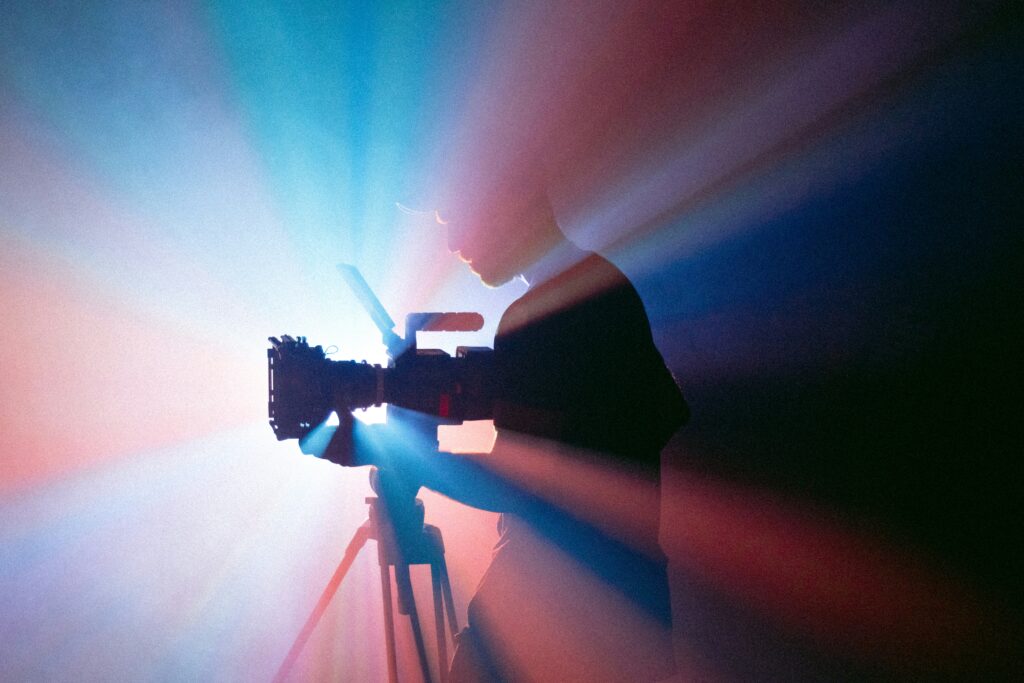
A year ago, if a client asked us for a thirty second promotional clip, the answer involved a shoot day. A camera, lights, a location, someone willing to stand in front of the lens, and two or three days of editing afterwards. That is still the right answer for a great deal of work. It is no longer the only answer, and treating it as the only answer has started to cost organisations money.
AI video generation crossed from novelty to working tool sometime in the last eighteen months. This is a plain look at what it does well, where it still fails, and how an institution in Zambia should think about it before spending anything.
What actually changed
The clips got long enough to be useful
Early models produced five or six seconds of flickering footage that looked impressive in a demo and was useless in a project. The current generation produces twenty to sixty seconds, holds a subject reasonably consistent across cuts, and outputs at 1080p or 4K. That is the difference between a curiosity and something you can put in a campaign.
The sound now comes out of the same model
This is the shift most people have missed. Google Veo 3.1 and Kling 3.0 generate synchronised audio in the same pass as the picture, including dialogue with lip sync. Previously you generated silent footage and built the entire soundtrack afterwards in post production. Removing that step removed most of the reason AI video was slower than it looked.
The price came down to something a small budget can carry
Generation is now priced per second of output. Depending on the model, the resolution and the tier, that lands somewhere between roughly ten and seventy five US cents per second. A thirty second clip is therefore a few dollars of generation rather than a shoot day. The catch sits inside the word usable, and we will come back to it.
The tools worth knowing about
Google Veo 3.1 is currently the strongest general choice for realistic marketing footage, largely because of its audio. Kling 3.0, built by Kuaishou, is the cheapest of the premium tier and handles motion and multi shot sequences well. Runway is a different proposition altogether: less a generator than a creative environment with keyframes, camera control and a timeline, which suits work where you need to direct rather than describe. Behind them sit ByteDance Seedance and Alibaba Wan, which lead the quality leaderboards but are harder to license and use commercially.
The cautionary tale is the famous name. OpenAI discontinued the consumer Sora experience in April 2026 and its API is scheduled to shut down on 24 September 2026. Teams that built a workflow around it are now migrating under time pressure. The lesson is not that AI video is unstable. The lesson is not to build a process that only one vendor can run, which is a rule we already apply to hosting, payments and SMS gateways.
Where this fits for Zambian organisations
Lenders and microfinance institutions
Product explainers are the obvious win. How a loan works, what documents to bring, what happens after approval. These need to be clear rather than cinematic, they do not need a specific branch in them, and they can be updated when a product changes without organising another shoot.
Churches
Event promotion, series openers and announcement clips. Motion graphics and atmospheric footage generate well. Your congregation does not, and should not. Film your own people.
Schools
Intake campaigns and open day promotion, particularly for facilities that are still being built or for concepts you want to test before committing a budget to production.
NGOs
Awareness material where filming real beneficiaries raises consent and dignity questions you would rather not raise. Generated footage lets you illustrate a situation without exposing an identifiable person, provided you are honest that it is an illustration.
SMEs and retailers
Product motion for social feeds, seasonal promotions, and the kind of short turnaround content that never justified a production budget and therefore never got made.
What it does not do
It does not know your business. A generator produces generic footage well. It cannot show your premises, your staff, your product on a shelf in Lusaka, or the thing that makes a client choose you over the company next door. Whatever you can generate, your competitor can generate too.
Detail still drifts. Hands, faces across cuts, and any text inside the frame remain unreliable. Your logo, your prices and your contact details should be added in the edit, not asked for in the prompt.
Local specificity is thin. Ask for a Lusaka street scene or a Zambian classroom and you will get an approximation built from training data that is light on this region. That is a limitation of the models, not of your prompt, and no amount of rewording fixes it.
The cost that matters is per accepted clip. Per second pricing looks cheap until you count the takes you rejected. Plan for several generations per usable shot and the arithmetic still works, but it is not the arithmetic on the pricing page.
Disclosure is a trust question. Do not present generated people as real staff, real members or real beneficiaries. For a church or an NGO in particular, being found out is a far more expensive problem than the production budget you saved.
How to start without wasting money
Pick one clip with one job. Not a content strategy, one clip: a product explainer, an event promo, a single advertisement. Gather your brand assets first, because logo, colours and typography belong in the edit. Write the prompt like a director rather than like a search query, describing shot, movement, lighting and mood. Budget the review time honestly, because generation takes minutes while selection and editing still take hours. And keep filming real footage alongside it, because the material only you can produce is the material that actually sells you.
Where we come in
Lightwins Creations runs a media production arm alongside our software products. We film, we edit, we livestream, and we now generate where generating is genuinely the right tool for the job. Most of the work we do sits somewhere in between: real footage of your people and your premises, cut together with generated material for the shots that would otherwise never have been affordable.
If you are trying to work out which of those your next piece of content actually needs, that is a conversation worth having before you spend anything. Reach us at [email protected] or on +260 976 351 166.